Network Kings, India’s Leading IT Career Training Academy
- Email: support@nwkings.com
- SCO 41-43, B Block, 4th floor, Chandigarh Citi Center


The Cloud computing industry has continued to expand for a long, opening a variety of job opportunities for tech enthusiasts. Before dwelling on the cloud, one needs to understand the domain in detail. From its types to services, the cloud offers endless benefits. And one such concept is IaaS, PaaS, SaaS – do you know what it is? Discussing the cloud in detail, we will be enlisting the growing significance of the services it offers. Therefore, continue reading the blog till the end to understand the difference between IaaS PaaS and SaaS in cloud computing and that too in detail.

What is Cloud Computing?
Cloud computing is a revolutionary technology permitting users to access and make use of a wide range of computing sources and services over the net. It eliminates the want for physical infrastructure and hardware by imparting virtualized computing strength, storage, and programs on a pay-as-you-go basis. Users can without problems scale their resources up or down according to their necessities, taking flexibility and cost-efficiency into consideration.
What are the different services offered by the cloud?

Cloud computing has transformed how individuals and organizations perform, enabling them to access effective computing abilities without the burden of retaining complex systems. It underpins diverse services, such as-
- Infrastructure as a Service (IaaS)
- Platform as a Service (PaaS)
- Software as a Service (SaaS)
– making it an essential generation in today’s digital landscape.
What is IaaS in cloud computing?

Infrastructure as a Service (IaaS) is a cloud computing model providing virtualized computing resources over the Internet. With IaaS, users can rent or provision virtual machines, storage, and networking components, from a cloud service provider.
IaaS offers a supple and scalable solution, allowing businesses to avoid the premature costs of purchasing physical hardware and the load of coping with and maintaining it. Users have control over the operating systems, applications, and other software running on virtual machines.
Popular examples of IaaS providers include Amazon Web Services (AWS), Microsoft Azure, and Google Cloud Platform (GCP).
What are the advantages of IaaS in cloud computing?
The advantages of IaaS in cloud computing are as follows-
- Flexibility and Scalability
IaaS permits corporations to scale their infrastructure up or down based totally on call. It provides the power to modify computing sources as wished, which is particularly beneficial for groups with fluctuating workloads.
- Cost Savings
IaaS removes the want for buying and maintaining physical hardware, reducing cost. Businesses must effectively pay for the resources they use, making it a fee-effective solution for startups and small organizations.
- Resource Management
With IaaS, the cloud service provider handles hardware maintenance, software updates, and safeguarding, relieving organizations of the load of handling complicated infrastructure. This permits IT teams to pay attention to extra strategic tasks.
- Global Reach
IaaS vendors typically have data centers in a couple of locations globally. This worldwide reach guarantees low-latency access to resources and allows businesses to deploy their applications, enhancing performance.
- Rapid Deployment
Setting up virtual machines and infrastructure components is quick and straightforward. Businesses can set up applications and services quicker, enabling speedy development and testing cycles.
What are the disadvantages of IaaS in cloud computing?
The disadvantages of IaaS in cloud computing are as follows-
- Responsibility for OS and Applications
While the provider handles the underlying infrastructure, businesses are chargeable for configuring and securing the operating systems and applications running on the virtual machines.
- Potential Performance Issues
Since resources get shared amongst multiple users, there is an opportunity for overall performance fluctuations throughout high usage, leading to varying levels of performance.
- Data Security Concerns
Entrusting information to a third-party provider raises shielding concerns. Businesses must put in force strong safety measures and conduct to meet safety necessities.
- Internet Dependency
IaaS is directly reliable to net connectivity. If there are troubles with the net connection, accessing and handling cloud resources ought to turn out to be hard.
- Vendor Lock-In
Migrating from one IaaS provider to another may be complex and luxurious since the underlying infrastructure and services might not be compatible.
What is PaaS in cloud computing?
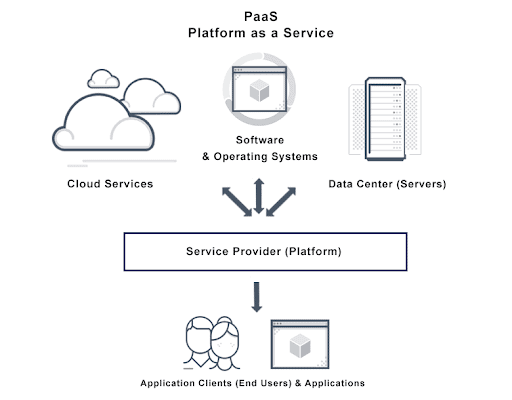
Platform as a Service (PaaS) is another cloud computing model providing a platform and territory to develop, run, and control applications without dealing with the underlying infrastructure complexities. PaaS provides the entire development and deployment ecosystem, such as development tools, databases, middleware, and operating systems, all hosted in the cloud.
It permits developers to focus on coding and innovation rather than handling infrastructure. PaaS is good for businesses seeking to expand and deploy applications rapidly and successfully.
Popular examples of PaaS providers are Heroku, Google App Engine, and Microsoft Azure App Service.
What are the advantages of PaaS in cloud computing?
The advantages of PaaS in cloud computing are as follows-
- Simplified Development
PaaS outlines infrastructure complexities, permitting developers to solely concentrate on coding. It gives pre-configured tools to streamline the application development process.
- Automatic Scaling
PaaS can scale applications primarily based on demand, ensuring overall performance without the need for manual intervention.
- Cost-Efficiency
With PaaS, groups can reduce fees by putting off the need to buy and manage underlying hardware and software infrastructure.
- Collaboration and Integration
PaaS facilitates collaboration among developers and teams by using a unified platform for development, testing, and deployment. It also helps in providing easy integration with other services and APIs.
- Faster Time-to-Market
PaaS speeds up the development lifecycle, enabling speedy prototyping, faster testing, and immediate deployment, reducing time-to-market.
What are the disadvantages of PaaS in cloud computing?
The disadvantages of PaaS in cloud computing are as follows-
- Limited Customization
PaaS structures may additionally have limitations on customizing the underlying infrastructure, which is a drawback for applications with performance or security requirements.
- Vendor Lock-In
Like IaaS, PaaS also can cause vendor lock-in, since the development environment and tools are often proprietary and might not be portable to different platforms.
- Dependency on the Provider
Businesses utilizing PaaS rely on the provider’s provider uptime and performance. Any disruptions or problems with the PaaS provider may want to affect application availability.
- Security and Compliance Concerns
Handing over data and code to a third party increases security and compliance issues. Businesses have to make certain that the PaaS provider meets their protection and regulatory requirements.
- Learning Curve
Developers may also need time to familiarize themselves with the PaaS platform and tools if they are used to conventional development environments.
What is SaaS in cloud computing?
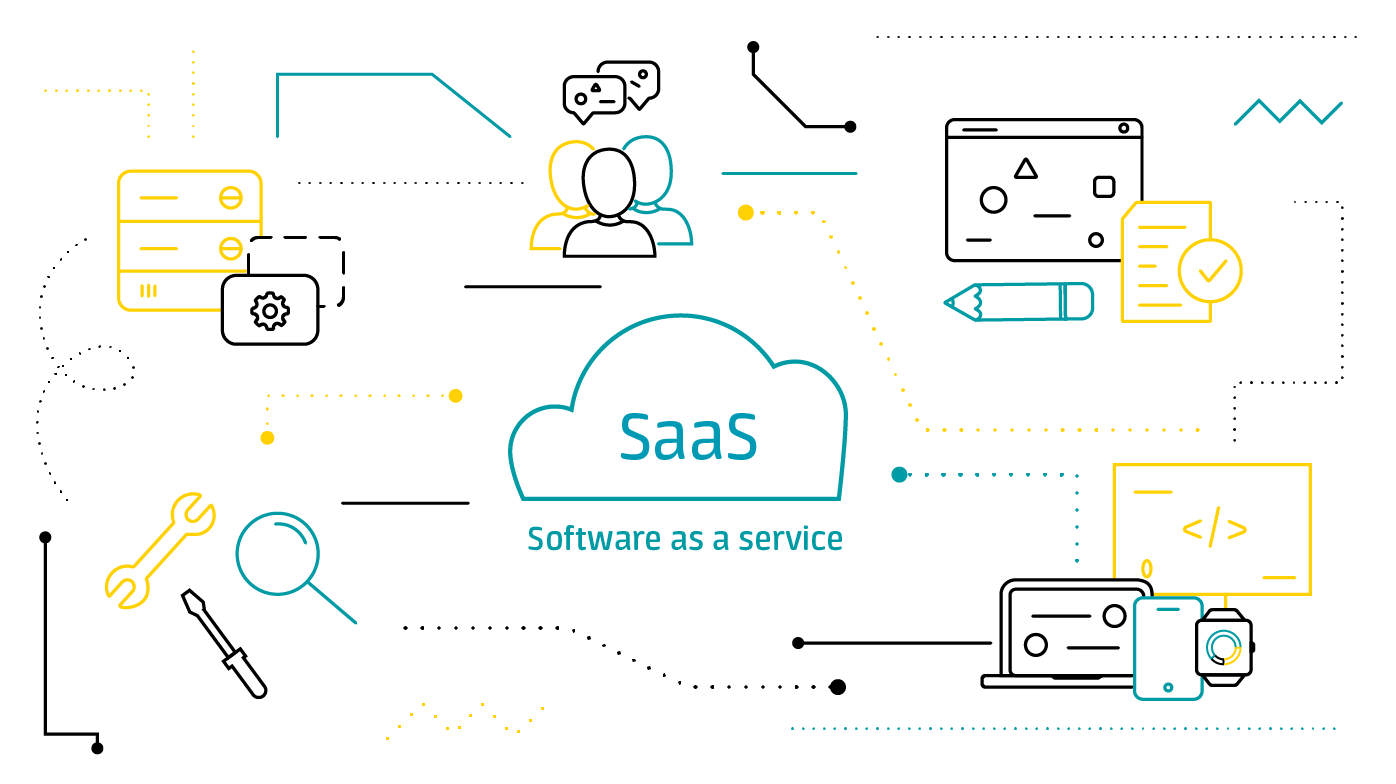
Software as a Service (SaaS) is a cloud computing model where software program applications get delivered over the net on a subscription basis. Instead of installing software, users can access the application through a browser. SaaS eliminates the need for local installations and updates, as all maintenance, safety, and enhancements get managed by the service providers.
It offers first-rate convenience, accessibility, and cost-effectiveness, as users can access software from any device having a web connection. SaaS is widely used for diverse applications, such as office productiveness suites, customer relationship management (CRM) tools, and collaboration software.
Prominent examples of SaaS services include Microsoft 365, Salesforce, and Google Workspace.
What are the advantages of SaaS in cloud computing?
The advantages of SaaS in cloud computing are as follows-
- Accessibility and Convenience
SaaS applications are available from any device with an internet connection and a browser, providing users with unequalled convenience and mobility.
- Cost-Effective
SaaS reduces the need for software purchases, licenses, and ongoing maintenance fees. Users pay a subscription price, making it a value-powerful choice for corporations of all sizes.
- Automatic Updates and Maintenance
SaaS providers cope with software updates, maintenance, and safety patches, ensuring users’ access steadily.
- Scalability
SaaS applications can scale effortlessly to accommodate changes in demand, ensuring the overall performance of users.
- Rapid Deployment
Deploying SaaS packages is quick and simple, allowing one to start using the software immediately after subscribing.
What are the disadvantages of SaaS in cloud computing?
The disadvantages of SaaS in cloud computing are as follows-
- Data Security and Privacy Concerns
Storing sensitive information on a third-party server can raise security concerns, particularly for businesses dealing with relatively discreet information.
- Limited Customization
SaaS packages may not cater to specific customization requirements, leading to potential limitations in terms of features and functionalities.
- Dependence on the Provider
Businesses depend on the SaaS provider’s infrastructure and service availability. Any disruptions on the provider’s end can affect access to the application utility.
- Internet Connectivity Dependency
SaaS applications require a strong internet connection for uninterrupted usage. Offline access might not be available for the concerned functionalities.
- Integration Challenges
Integrating SaaS packages with existing on-premises systems or different third-party applications can every so often be challenging, depending on the level of API support by using the SaaS provider.
What is the difference between IaaS PaaS and SaaS in cloud computing?
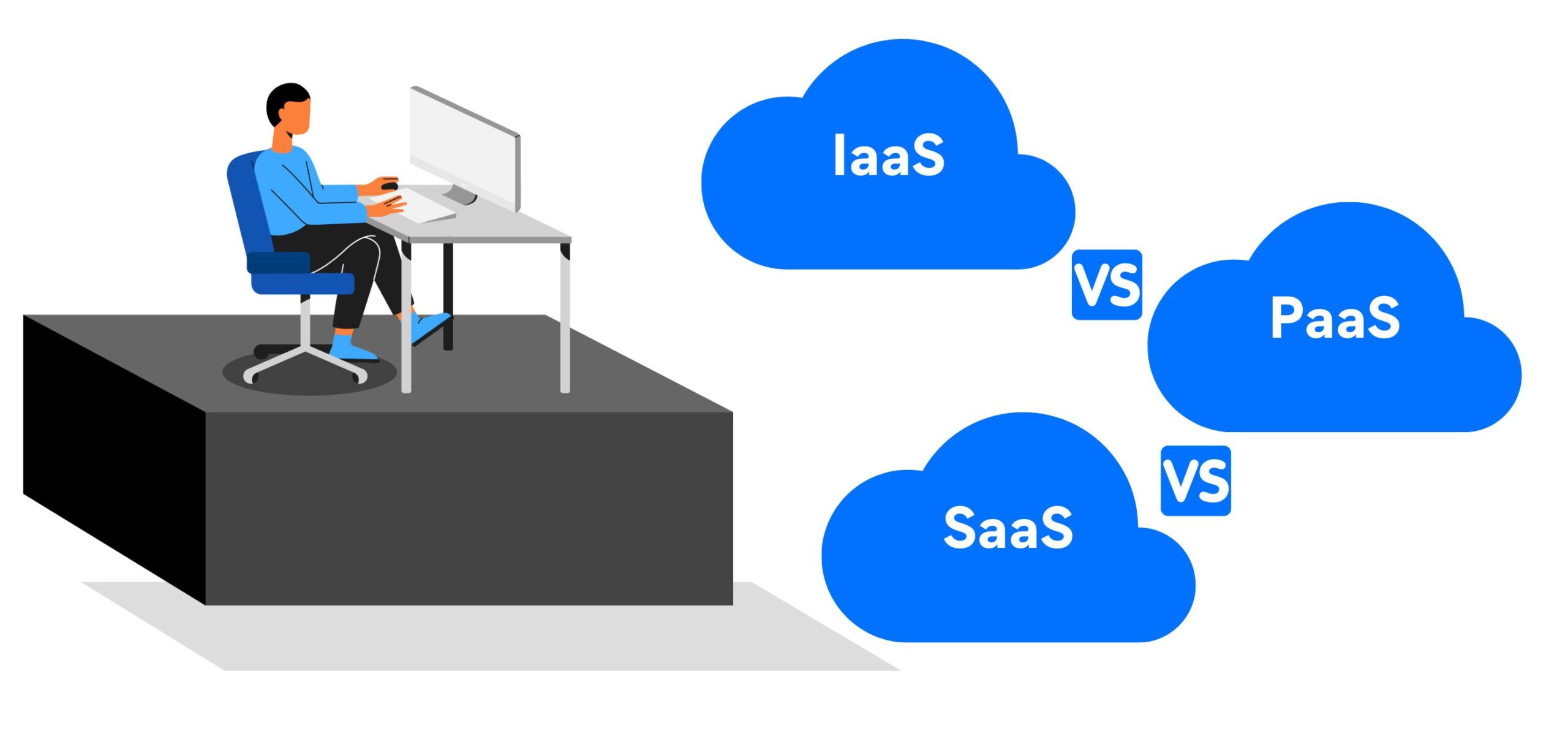
The difference between IaaS, PaaS, and SaaS in cloud computing are as follows-
Wrapping Up!
In conclusion, cloud computing has revolutionized the IT landscape with its way of offering a wide variety of services catering to needs and necessities. The three essential cloud computing service models, IaaS, PaaS, and SaaS, provide diverse pros and cons, making them appropriate for different situations.
Thus, undoubtedly, cloud computing has transformed the IT panorama and will hold to form the destiny of technology. Embracing the cloud and its various services might be essential for companies to live competitive and agile within the virtual generation.
Happy Learning!