Network Kings, India’s Leading IT Career Training Academy
- Email: support@nwkings.com
- SCO 41-43, B Block, 4th floor, Chandigarh Citi Center




Cybersecurity in the banking sector is crucial to protect against cyber threats and financial fraud. It involves safeguarding computer systems, networks, and data from unauthorized access, malware, phishing, and more. Implementing cybersecurity measures like employee training, multi-factor authentication, firewalls, and encryption helps protect customer information, secure transactions, and maintain trust in the banking industry. Building a career in banking cybersecurity requires education, experience, certifications, and staying updated with the latest trends.
Read the blog till the end to know how to enter the cybersecurity in banking sector.
What is CyberSecurity?
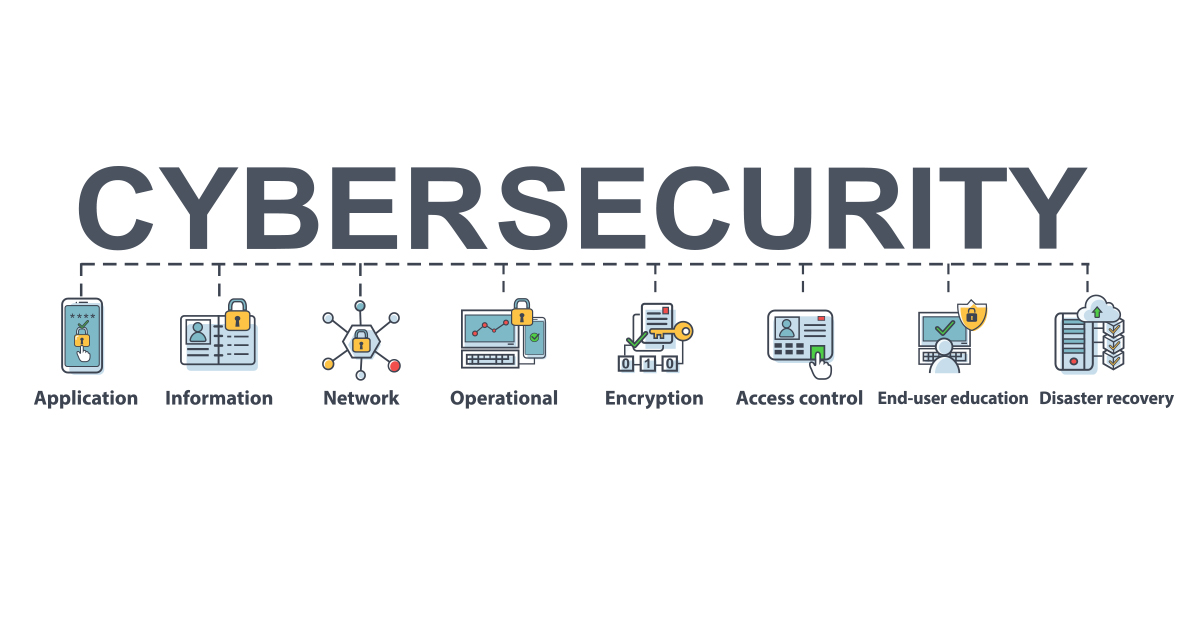
Cybersecurity is the practice of protecting computer systems, networks and data from unauthorized access, theft or damage. It involves putting measures in place to prevent cyber threats so that information remains confidential, intact and available.
What is the need for CyberSecurity?
Nowadays when much of our info is stored digitally it has become essential for us to use cybersecurity. Hackers, malware creators, phishing attempts and ransomware can create a huge risk for people as well as organizations or whole countries if they aren’t protected against these digital risks.
What is the importance of cybersecurity in Banking?
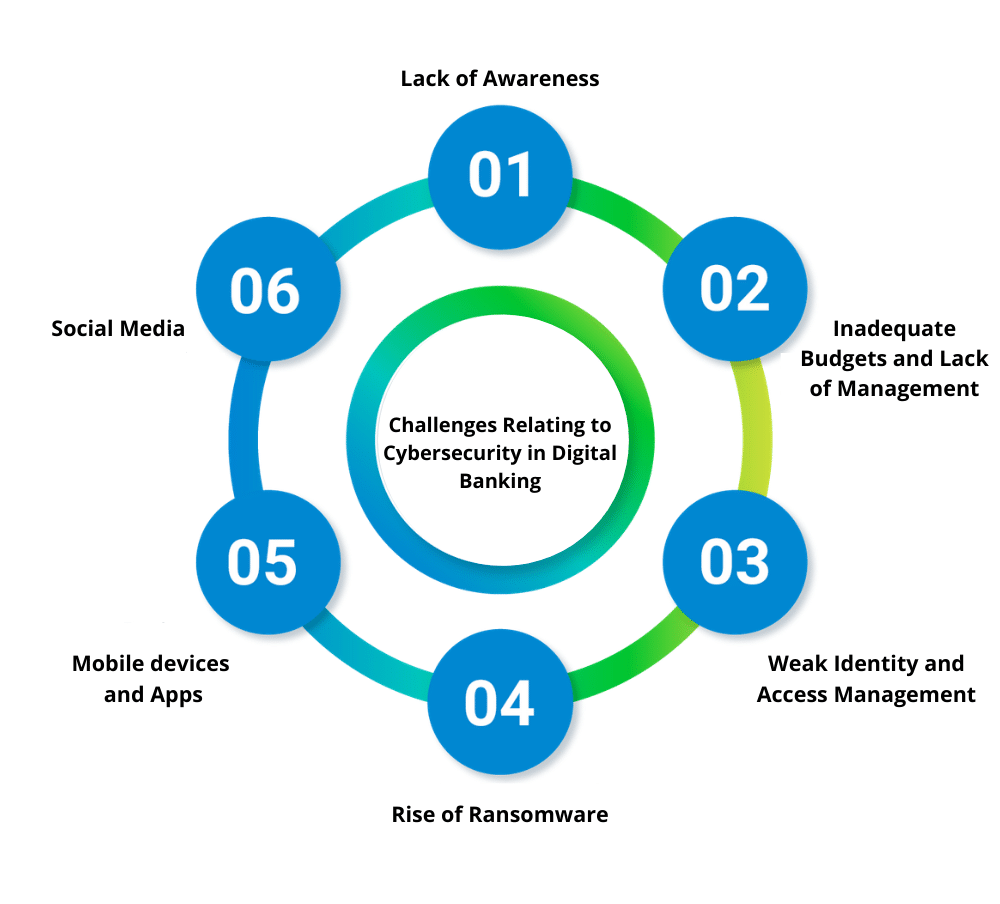
The banking industry is responsible for handling a massive number of confidential financial details, making it an obvious prime target for cybercriminals. Without appropriate cybersecurity strategies in place, banks can be vulnerable to data breaches, financial fraud and damage to their reputation. Setting up proper cybersecurity measures within banking helps protect customer info, secure online transactions and keep the reliability and trustworthiness of our economic system intact.
What are the cybersecurity threats?
Cyber threats that have been directed towards the banking sector are many different kinds which also change quite often.
One of the biggest challenges for banks is how to deal with potential threats they may face. A few of the cybersecurity threats are as follows-
-
Malware
Malicious software, including viruses, worms, Trojans, and ransomware.
-
Phishing
Deceptive emails or messages that trick users into revealing sensitive information.
-
Social Engineering
Manipulating individuals to divulge confidential information.
-
Distributed Denial of Service (DDoS) Attacks
Overwhelming a target system with traffic to make it unavailable.
-
Man-in-the-Middle (MitM) Attacks
Intercepting and altering communication between two parties.
-
Password Attacks
Cracking, guessing, or stealing passwords to gain unauthorized access.
-
Insider Threats
Malicious actions or data breaches from within an organization.
-
Zero-Day Exploits
Attacks targeting vulnerabilities that are not yet known to the software vendor.
-
SQL Injection
Injecting malicious SQL queries to manipulate a database.
-
Cross-Site Scripting (XSS)
Injecting malicious scripts into web applications.
-
Cryptojacking
Illegally using someone’s computer to mine cryptocurrency.
-
Drive-By Downloads
Automatically downloading malicious software when visiting a compromised website.
-
IoT Vulnerabilities
Exploiting security weaknesses in Internet of Things devices.
-
Ransomware
Encrypting files and demanding a ransom for decryption.
-
Data Breaches
Unauthorized access to sensitive data, often for theft or exposure.
-
Credential Stuffing
Using stolen credentials from one site on other platforms.
-
Brute Force Attacks
Repeatedly trying various combinations to guess passwords.
-
Eavesdropping
Intercepting and monitoring network traffic.
-
Keyloggers
Recording keystrokes to capture sensitive information.
-
Malvertising
Spreading malware through online advertising.
-
Watering Hole Attacks
Compromising websites frequently visited by a target group.
-
Fileless Malware
Malware that operates in memory, leaving fewer traces on a system.
-
Drive-By Pharming
Changing DNS settings on a router to redirect users to malicious sites.
-
Typosquatting
Registering domain names similar to popular websites to deceive users.
-
Session Hijacking
Taking over an established user’s session to gain unauthorized access.
-
Credential Theft
Stealing login credentials through various means.
-
Supply Chain Attacks
Targeting vulnerabilities in third-party software or hardware.
-
Botnets
Networks of compromised devices used for malicious purposes.
-
Worms
Self-replicating malware that spreads across networks.
-
EternalBlue Exploits
Leveraging a Windows vulnerability to spread malware, as seen in the WannaCry attack.
Note: Know the Types of Cybercrime by clicking on this Link.
How to face the threats to the banking industry?: Cybersecurity Solutions
A few methods to face and resolve the cyber threats to the banking industry are as follows-
-
Employee Training
Educate employees about cybersecurity best practices, such as identifying phishing attempts and maintaining strong passwords.
-
Multi-Factor Authentication (MFA)
Implement MFA for both customers and employees to add an extra layer of security.
-
Firewalls
Use robust firewalls to protect against unauthorized access and intrusion attempts.
-
Intrusion Detection Systems (IDS) and Intrusion Prevention Systems (IPS)
Deploy IDS and IPS to monitor network traffic and detect and prevent suspicious activities.
-
Regular Updates and Patch Management
Keep all software, including operating systems and applications, up to date to address known vulnerabilities.
-
Data Encryption
Encrypt sensitive data both in transit and at rest to protect it from unauthorized access.
-
Network Segmentation
Divide the network into segments to limit lateral movement by attackers in case of a breach.
-
Endpoint Security
Employ antivirus and anti-malware solutions on all endpoints (computers, mobile devices) to detect and prevent malware infections.
-
Incident Response Plan
Develop and regularly update an incident response plan to efficiently address security breaches when they occur.
-
Security Information and Event Management (SIEM)
Use SIEM tools to monitor and analyze security events across the network in real time.
-
Regular Security Audits and Penetration Testing
Conduct periodic security audits and penetration tests to identify vulnerabilities and weaknesses.
-
Vendor Risk Management
Assess and monitor the cybersecurity practices of third-party vendors who have access to your systems or data.
-
Behavioral Analytics
Employ behavioural analysis tools to detect anomalous behaviour patterns that could indicate a security threat.
-
Threat Intelligence
Stay updated on the latest cybersecurity threats and trends by subscribing to threat intelligence feeds.
-
Regulatory Compliance
Ensure compliance with industry-specific regulations and standards (e.g., PCI DSS, GDPR) to avoid legal and financial penalties.
How to build a career in cybersecurity in Banking?
Launching a career path into banking cybersecurity requires lots of education, skills building, and experience – it’s not impossible though if you put time into developing each element properly!
Some actionable steps to take into account include-
-
Getting a relevant degree in cybersecurity, computer science, or an associated field.
-
Getting hands-on experience through internships or rookie positions in cybersecurity.
-
Achieving industry-recognized certifications such as Certified Information Systems Security Professional (CISSP) or Certified Ethical Hacker (CEH).
-
Enhancing strong analytical and problem-solving talents.
-
Keeping up with the recent trends and technologies in cybersecurity by continuous learning.
What are the top cybersecurity courses available in IT?
The top available cyber security courses in IT are as follows-
-
CEH (v12)
CEH is a certification that teaches ethical hacking skills. It equips professionals with knowledge to identify and counteract vulnerabilities and threats, enabling them to think like hackers and protect systems and networks from cyberattacks.
The exam details for the CEH (v12) course are as follows-
-
CISSP Training
CISSP is a globally recognized certification for information security professionals. It covers a wide range of security topics, including access control, cryptography, and risk management, and validates expertise in designing, implementing, and managing security programs.
The exam details for the CISSP training course are as follows-
-
CompTIA PenTest+
CompTIA PenTest+ certifies skills in penetration testing and vulnerability assessment. It focuses on hands-on techniques for identifying and addressing security vulnerabilities, making it suitable for professionals who want to specialize in offensive security.
The exam details for the CompTIA PenTest+ course are as follows-
-
CompTIA Security+
CompTIA Security+ is an entry-level certification covering essential security concepts and practices. It validates knowledge of network security, cryptography, and threat detection, making it a good choice for beginners and those pursuing IT security careers.
The exam details for the CompTIA Security+ course are as follows-
-
CompTIA CySA+
CompTIA CySA+ is a mid-level certification emphasizing threat detection and analysis. It equips professionals with skills to monitor, analyze, and respond to security incidents effectively, making it valuable for security analysts and related roles.
The exam details for the CompTIA CySA+ course are as follows-
Where to learn the top cybersecurity skills?
To learn the top cybersecurity skills in IT, you can choose Network Kings. Being one of the best ed-tech platforms you will get to enjoy the following perks-
-
Learn directly from expert engineers
-
24*7 lab access
-
Pre-recorded sessions
-
Live doubt-clearance sessions
-
Completion certificate
-
Flexible learning hours
-
And much more.
NOTE: Get in detailed information on Top Cybersecurity Skills to become a Cybersecurity Expert by clicking on this link.
What are the salary aspects for a banking cybersecurity expert?
The salary aspects for a banking cybersecurity expert are as follows-
-
United States: USD 90,000 to USD 180,000 per year
-
United Kingdom: GBP 45,000 to GBP 120,000 per year
-
Canada: CAD 80,000 to CAD 150,000 per year
-
Australia: AUD 80,000 and AUD 150,000 per year
-
Germany: EUR 60,000 to EUR 120,000 per year
-
France: EUR 45,000 to EUR 100,000 per year
-
Singapore: SGD 60,000 and SGD 150,000 per year
-
India: INR 600,000 to INR 2,500,000per year
-
China: CNY 150,000 to CNY 400,000 per year
-
Japan: JPY 5,000,000 to JPY 12,000,000 per year
-
Brazil: BRL 80,000 to BRL 200,000 per year
-
South Africa: ZAR 300,000 to ZAR 800,000 per year
-
UAE (Dubai): AED 180,000 and AED 400,000 per year
-
Saudi Arabia: SAR 120,000 to SAR 300,000 per year
-
Russia: RUB 1,000,000 to RUB 2,500,000 per year
Wrapping Up!
Cybersecurity is an essential part when it comes to protecting banks against cyber attacks. When one wants to pursue a career in banking security they need to implement robust protection measures along with keeping updated about industry trends so that they build the necessary skill set required by them.
As technology keeps advancing day by day it is increasingly becoming crucial for not only financial organizations but also individuals who are involved directly or indirectly in making sure that all safety & integrity-related aspects regarding the Banking Industry remain intact no matter what comes what may.
Happy Learning!