Network Kings, India’s Leading IT Career Training Academy
- Email: support@nwkings.com
- SCO 41-43, B Block, 4th floor, Chandigarh Citi Center




Cloud computing has revolutionized how organizations manage their IT infrastructures, providing flexibility, scalability, and cost-effectiveness. As businesses increasingly depend on cloud solutions, understanding the various cloud computing deployment models becomes crucial for making informed decisions.
In this comprehensive guide by Network Kings, we will explore different cloud computing models and their characteristics and help you choose the right cloud deployment model for your organization. Thus, keep reading the blog till the end to understand better.
What are the cloud computing deployment models?
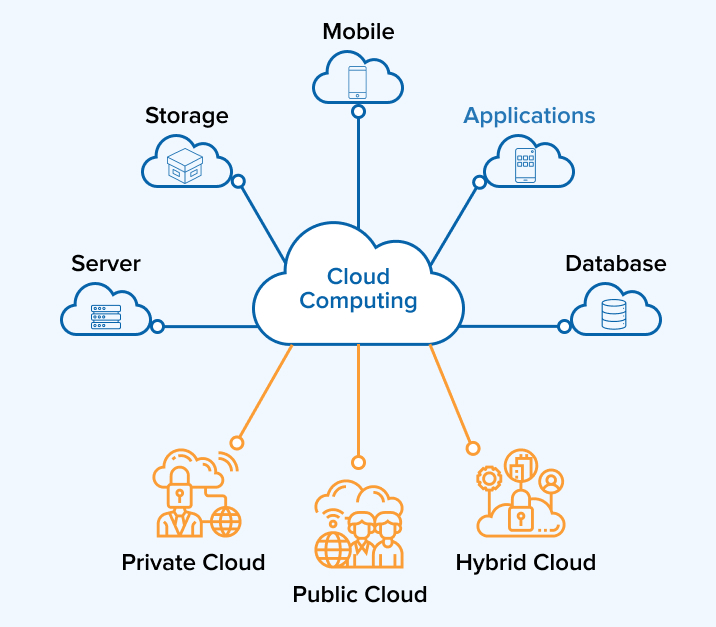
A cloud computing deployment model outlines how cloud services are hosted and delivered to users. Different models cater to various requirements and use cases, from cost considerations to security needs. The choice of deployment model significantly influences the cloud strategy and overall efficiency.
What are the types of cloud deployment models?
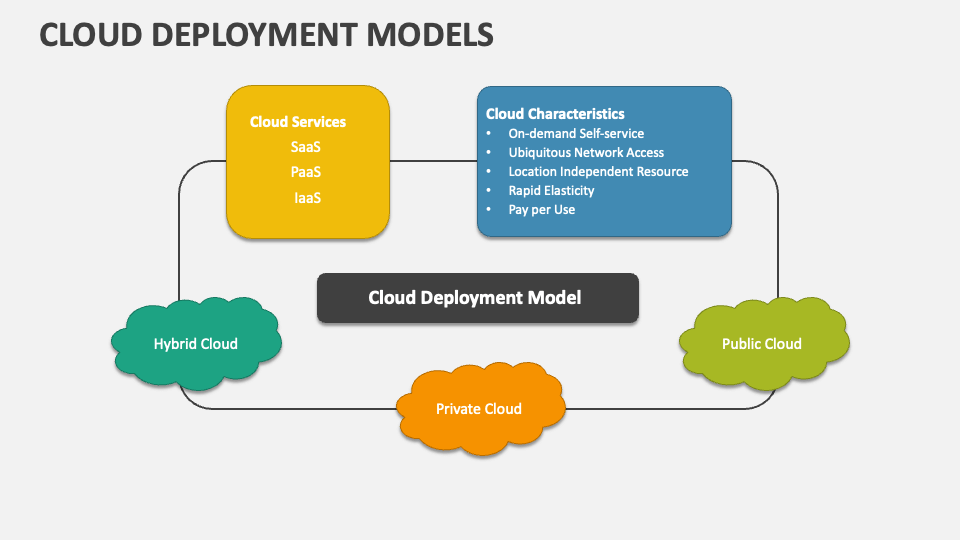
The types of cloud deployment models are as follows-
- Public Cloud
- Private Cloud
- Hybrid Cloud
- Community Cloud
What is a public cloud?
The public cloud is one of the most commonly used deployment models. In this scenario, cloud resources such as servers and storage are owned and operated by third-party cloud service providers like Amazon Web Services (AWS), Google Cloud, and Microsoft Azure. The infrastructure is shared among multiple organizations, allowing them to access computing resources on a pay-as-you-go basis.
What are the benefits of a public cloud?
The benefits of a public cloud are as follows-
- Cost-Effective: Since users share resources among many users, costs are generally lower compared to private clouds. It makes public clouds an attractive option for startups and small businesses that manage their budgets carefully.
- Scalability: Organizations can scale their resources up or down based on demand. For instance, during peak business seasons, companies can increase their cloud resources to handle more traffic and scale back when demand decreases.
- Accessibility: Public clouds provide easy access to data and applications from anywhere with an internet connection. It facilitates remote work and collaboration among teams spread across different locations.
What are the use cases of a public cloud?
The use cases of a public cloud are as follows-
- Hosting web services and applications
- Running development and testing environments
- Data storage and backup solutions
- E-commerce platforms that require high availability
NOTE: Join the Google Cloud Security Master’s Program by Network Kings today!
What is a private cloud?
The private cloud models are for a single organization. It offers greater control and security, as the infrastructure is private. Organizations that require strict compliance with regulations or have sensitive data opt for a private cloud deployment.
What are the benefits of a private cloud?
The benefits of a private cloud are as follows-
- Enhanced Security: Organizations have complete control over their cloud environment, which helps in protecting sensitive information. It is crucial for sectors like finance and healthcare.
- Customization: The infrastructure tailors to meet specific business needs. Organizations can select the hardware, storage options, and network configurations that align with their requirements.
- Performance: Dedicated resources often lead to improved performance. Organizations can optimize their private cloud for specific applications or workloads that require high processing power.
What are the use cases of a private cloud?
The use cases of a private cloud are as follows-
- Financial institutions managing sensitive data
- Healthcare organizations requiring strict compliance
- Enterprises with specific operational requirements
- Businesses that need to run legacy applications that require a specialized environment
NOTE: Join the Azure Cloud Security Master’s Program by Network Kings today!
What is a hybrid cloud?
The hybrid cloud combines both public and private cloud environments, allowing organizations to take advantage of the benefits of both models. This approach enables businesses to run critical applications in a private cloud while utilizing public cloud resources for less sensitive operations.
What are the benefits of a hybrid cloud?
The benefits of a hybrid cloud are as follows-
- Flexibility: Organizations can choose where to run their applications based on sensitivity and regulatory requirements. For example, they might store customer data in a private cloud while using public cloud resources for application hosting.
- Cost Efficiency: Businesses can scale resources using public clouds for non-sensitive data while keeping crucial workloads on a private cloud. It optimizes costs while maintaining security.
- Seamless Integration: Hybrid deployment allows organizations to connect their existing on-premises infrastructure with cloud resources. This integration can enhance operational efficiency and reduce latency.
What are the use cases of a hybrid cloud?
The use cases of a hybrid cloud are as follows-
- Businesses with fluctuating workloads that require immediate access to additional resources
- Organizations transitioning from on-premises solutions to a fully deployed cloud environment
- Companies looking to maintain legacy systems while leveraging modern cloud services
NOTE: Join the AWS Cloud Security Master’s Program by Network Kings today!
What is a community cloud?
The community cloud model includes government agencies or organizations within specific industries to collaborate while maintaining security. Organizations with similar interests or requirements use community clouds.
What are the benefits of a community cloud?
The benefits of a community cloud are as follows-
- Cost Sharing: Multiple organizations can share the costs of maintaining the infrastructure. It makes it an economical choice for smaller organizations that may not have the budget for a private cloud.
- Collaboration: Organizations within the same community can easily share resources and information, fostering innovation and joint initiatives.
- Compliance: The community cloud can meet specific regulatory requirements for all participating organizations, ensuring that data protection standards are maintained.
NOTE: Join the Google Cloud Security Master’s Program by Network Kings today!
What are the use cases of a community cloud?
The use cases of a community cloud are as follows-
- Government entities sharing infrastructure to improve service delivery
- Educational institutions collaborating on research projects
- Non-profit organizations working together on common goals
What are the types of cloud computing service models?
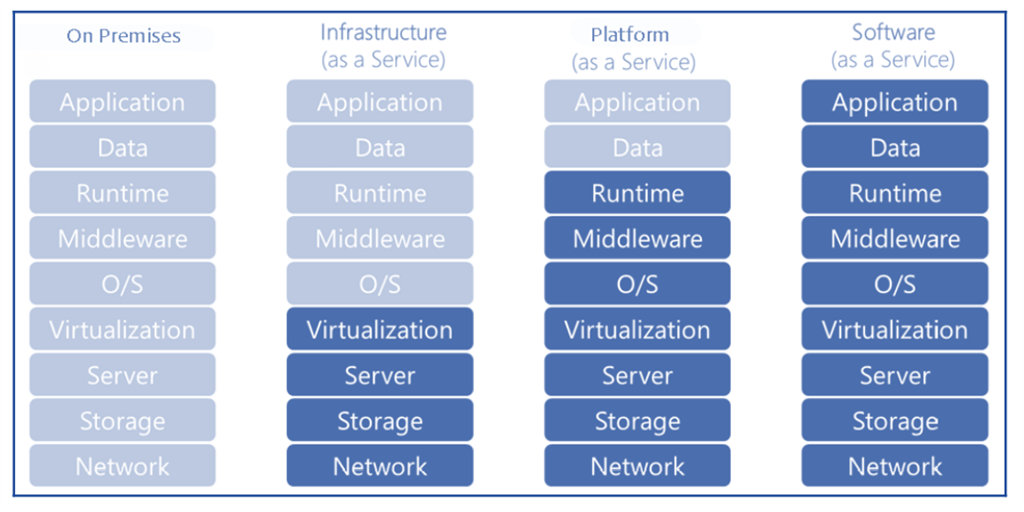
The types of cloud computing service models are as follows-
-
Software as a Service (SaaS)
SaaS delivers software applications over the internet on a subscription basis. Users can access these applications without installing or maintaining them on their local devices.
Examples:
- Google Workspace
- Microsoft 365
- Salesforce
- Zoom
SaaS solutions offer businesses the advantage of quick deployment, reduced maintenance costs, and automatic updates.
-
Infrastructure as a Service (IaaS)
IaaS provides virtualized computing resources over the internet. Organizations can rent servers, storage, and networking resources from cloud service providers like AWS and Alibaba Cloud, allowing them to build and manage their own IT infrastructure without physical hardware.
Examples:
- Amazon EC2
- Google Compute Engine
- Microsoft Azure Virtual Machines
IaaS is ideal for businesses that require maximum control over their infrastructure but do not want the burden of maintaining physical servers.
-
Platform as a Service (PaaS)
PaaS offers a platform that allows customers to develop, run, and manage applications without dealing with the complexities of building and maintaining the underlying infrastructure.
Examples:
- Google App Engine
- AWS Elastic Beanstalk
- Heroku
PaaS solutions accelerate application development by providing pre-built tools and frameworks that developers can use to create applications quickly.
NOTE: Join the Azure Cloud Security Master’s Program by Network Kings today!
How are the cloud deployment models different from each other?
When choosing the right cloud deployment model, consider the following factors-
- Security Requirements
Organizations with sensitive data may prefer private clouds for enhanced security. Public clouds offer less control but may suffice for non-sensitive information.
- Cost
Public clouds are more cost-effective due to shared resources, while private clouds may incur higher costs due to dedicated infrastructure.
- Scalability
Hybrid clouds provide greater flexibility in scaling resources based on fluctuating demands, while public clouds allow quick adjustments.
- Compliance
Organizations in regulated industries may require private or community clouds to meet specific compliance standards.
- Operational Efficiency
Consider how each deployment model affects operational efficiency. For instance, hybrid models can streamline workflows by integrating on-premises systems with cloud resources.
What are the emerging deployment strategies in the cloud?
The emerging deployment strategies in the cloud are as follows-
- Hybrid Deployment Strategy
Setting up a hybrid deployment allows organizations to connect their existing on-premises infrastructure with cloud resources. It facilitates improved resource management and control over critical data while leveraging public cloud benefits.
- Multi-Cloud Strategy
Organizations may choose to use multiple public cloud providers for their services. This approach mitigates risks associated with vendor lock-in and improves redundancy by distributing workloads across different platforms.
NOTE: Join the AWS Cloud Security Master’s Program by Network Kings today!
How can I choose the right deployment model?
When selecting the right cloud deployment model, it is crucial to evaluate your specific needs, including-
- Business objectives
- Budget constraints
- Compliance requirements
- Data sensitivity
- Future growth plans
Engaging with various cloud service providers can help you understand offerings better and make informed decisions.
Wrapping Up!
Understanding the different cloud computing deployment models is essential for organizations looking to migrate to the cloud or enhance their existing cloud solutions. Whether you choose a public, private, hybrid, or community cloud, the right model can optimize your IT infrastructure and better support your business goals. With the right approach, you can effectively integrate your organization’s infrastructure into the cloud while maximizing efficiency and performance through various cloud service models such as SaaS, IaaS, and PaaS.
Join our Cloud Computing Programs to enrich your IT knowledge. Feel free to reach out to us for assistance and details.
HAPPY LEARNING!