Network Kings, India’s Leading IT Career Training Academy
- Email: support@nwkings.com
- SCO 41-43, B Block, 4th floor, Chandigarh Citi Center



The Internet of Things (IoT) has become a revolutionary force in our daily lives, seamlessly connecting devices and enhancing efficiency across various sectors. This blog will explore numerous examples of IoT applications, showcasing how these connected devices transform everyday life and industries. We will dive into real-world use cases, benefits, and the future of IoT technology.
Thus, keep reading the blog till the end to understand better.
What is IoT?
The Internet of Things refers to the network of physical objects that connect to the Internet, enabling them to collect and exchange data. These IoT devices include a variety of sensors, software, and other technologies that facilitate communication and data transmission over the Internet. With billions of devices connected globally, the IoT market is expanding rapidly, creating new opportunities and challenges.
NOTE: Join the Google Cloud Security Master’s Program at Network Kings today!
What are the examples of IoT devices?
The IoT devices examples are as follows-
1. Smart Home Devices
Smart homes are a prime example of IoT applications. Devices like smart thermostats, security cameras, and motion sensors allow homeowners to monitor and control their environment.
- Smart Thermostats: These devices can learn your heating and cooling preferences, adjusting temperatures based on your habits. For example, a smart thermostat can reduce energy consumption while you’re away, saving money on utility bills.
- Security Cameras: Modern security systems utilize IoT devices that enable remote monitoring. Homeowners can receive alerts on their mobile devices when motion is detected, allowing them to monitor their property from anywhere.
- Motion Sensors: These sensors can detect movement and trigger actions in other smart devices. For instance, when you enter a room, the lights can automatically turn on, enhancing convenience and energy efficiency.
2. Home Security Systems
IoT technology has revolutionized home security. Today’s security systems include connected devices such as surveillance cameras and smart locks.
- Smart Locks: These devices allow homeowners to lock or unlock doors remotely using smartphones. They can also provide temporary access codes for guests or service personnel.
- Alarm Systems: IoT-enabled alarm systems can alert homeowners and law enforcement in case of a break-in or emergency, providing peace of mind.
3. Wearable Devices
Wearable technology, including fitness trackers and smartwatches, represents a significant category of IoT devices.
- Fitness Trackers: These devices collect data on physical activity, heart rate, and sleep patterns. Users can analyze this information to improve their health and fitness routines.
- Smartwatches: Beyond fitness tracking, smartwatches can manage notifications, monitor health metrics, and even make calls, all while being connected to the Internet.
4. Smart Cities
Cities are increasingly adopting IoT solutions to improve urban living. Connected devices can optimize traffic flow, manage waste collection, and enhance public safety through real-time monitoring.
- Traffic Management: Traffic lights equipped with IoT sensors can adjust their timing based on traffic conditions, reducing congestion and improving commute times.
- Waste Management: Smart bins can notify waste management services when filled. It optimizes collection routes and reduces operational costs.
5. Industrial IoT Applications
In industrial settings, IoT technologies enable predictive maintenance and operational efficiency.
- Predictive Maintenance: Sensors installed on machinery monitor performance metrics. It allows businesses to anticipate equipment failures before they occur, minimizing downtime and repair costs.
- Supply Chain Optimization: IoT devices can track inventory levels and shipments in real-time, improving logistics and ensuring timely delivery of goods.
What are the use cases of IoT in daily life?
The use cases of IoT in daily life are as follows-
- Home Automation
IoT devices in home automation allow centralized control of lighting, temperature, and security systems. Homeowners can manage these systems through smartphones or voice-activated assistants like Amazon Alexa or Google Assistant.
- Healthcare Monitoring
Medical devices connected to the Internet help healthcare providers monitor patients remotely. For instance, wearable health monitors can track vital signs such as blood pressure and glucose levels, enabling timely interventions when necessary.
- Self-Driving Cars
Autonomous vehicles utilize IoT sensors to navigate and communicate with other vehicles. These cars rely on data from their surroundings to make real-time decisions about speed, direction, and safety measures.
NOTE: Join the Azure Cloud Security Master’s Program at Network Kings today!
What are the benefits of IoT?

The benefits of IoT are as follows-
- Data Collection
IoT devices collect vast amounts of data and analyze them for better decision-making. This data provides insights into user behavior, operational efficiency, and maintenance needs.
- Real-Time Monitoring
With real-time data transmission, users can make informed choices quickly. For example, businesses can monitor equipment health continuously, allowing them to respond immediately to any issues.
- Improved Efficiency
Businesses can streamline operations using IoT technologies, reducing costs and increasing productivity. For instance, predictive maintenance in manufacturing minimizes unplanned downtime, leading to higher output.
- Enhanced Safety
IoT devices enhance safety in various environments. Smart home security systems provide alerts for unusual activities, while industrial IoT applications ensure safer working conditions by monitoring equipment performance.
What are the challenges of IoT implementation?
The challenges of IoT implementation are as follows-
- Security Concerns
With connected devices comes an increased risk of cyberattacks. Implementing robust security measures protects sensitive data collected by IoT devices.
- Interoperability Issues
Many different manufacturers produce IoT devices, leading to potential compatibility issues. Ensuring that devices communicate effectively is crucial for seamless integration into existing systems.
- Data Privacy
As IoT devices collect vast amounts of personal data, protecting user privacy becomes paramount. Regulations govern data usage and prevent unauthorized access.
NOTE: Join the AWS Cloud Security Master’s Program at Network Kings today!
What is the future of IoT?
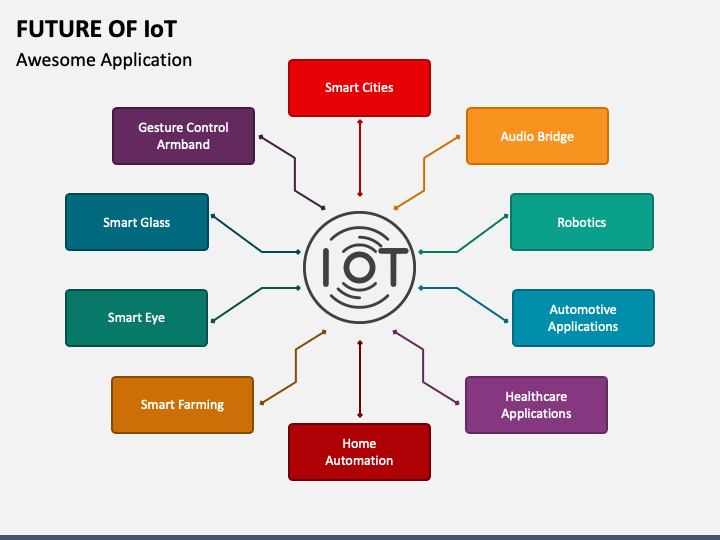
The future of IoT looks promising as technology continues to evolve. It is as follows-
-
AI and IoT Integration
Artificial intelligence (AI) and IoT will enable decision-making processes. AI algorithms can analyze data collected from IoT sensors, leading to more accurate predictions and insights.
-
Expansion in Healthcare
The healthcare industry will see significant growth in the use of IoT technologies. Remote monitoring devices will become more sophisticated, improving patient care while reducing healthcare costs.
-
Growth of Smart Cities
As urbanization increases, smart cities will emerge as a solution to manage resources efficiently. Connected devices monitor transportation management, energy consumption optimization, and waste reduction.
Wrapping Up!
The examples of IoT applications in our daily lives illustrate its transformative potential. From smart home devices to industrial applications, the Internet of Things continues to reshape how we interact with the world around us. Whether you are interested in developing IoT platforms, engaging in IoT training, or exploring innovative uses for these technologies, the future looks promising for anyone involved in the IoT market.
Join the Cloud Computing courses at Network Kings today. Feel free to reach out to us for assistance and details!
HAPPY LEARNING!